The decision between a manual and an automatic waterbased cold laminating machine fundamentally comes down to throughput, labour structure, and the range of paper thickness your shop handles daily. Both configurations use the same basic technology—waterbased adhesive applied to BOPP or PET film at room temperature—but the way they manage feeding, glueing, and delivery creates a significant difference in output, operating cost, and the type of work each can handle efficiently. Understanding where these two approaches diverge helps match the equipment to your actual production reality.
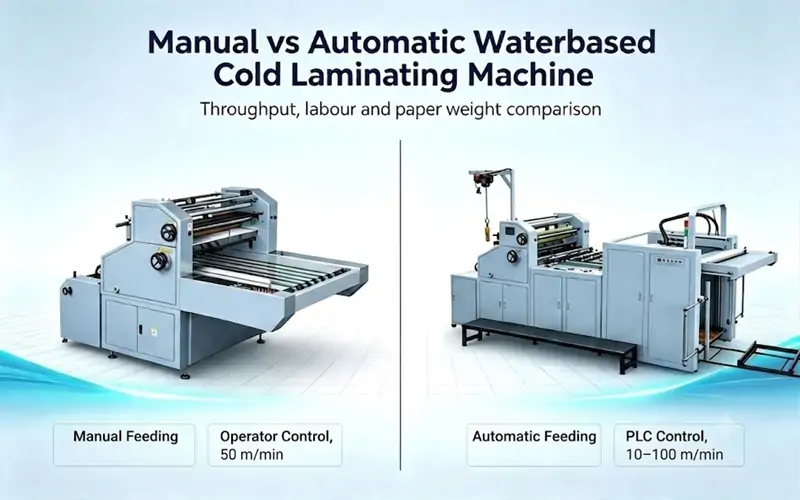
The Core Difference: Operator Involvement vs. System Automation
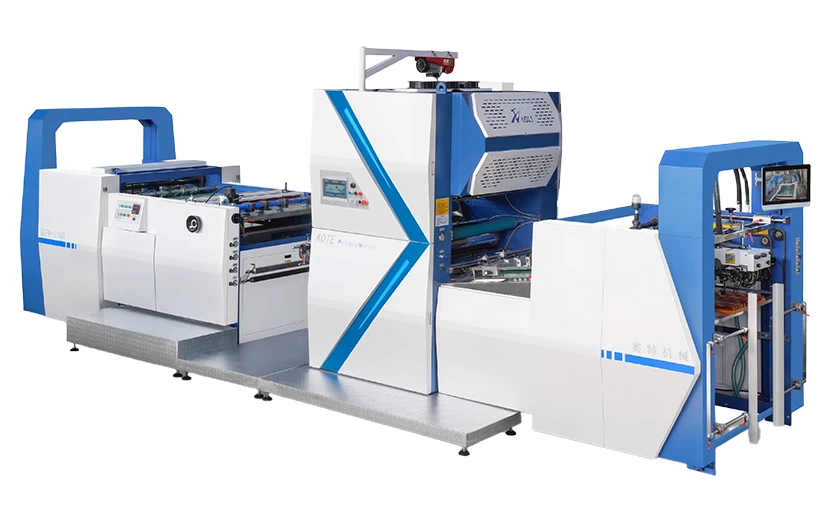
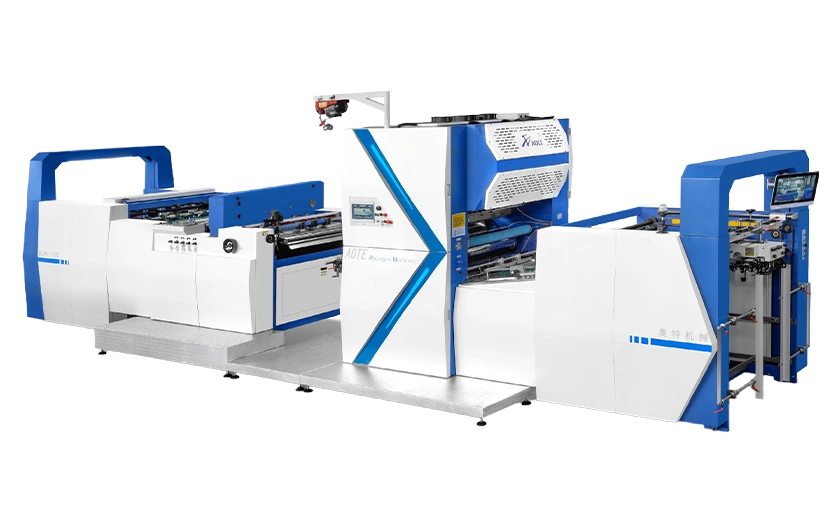
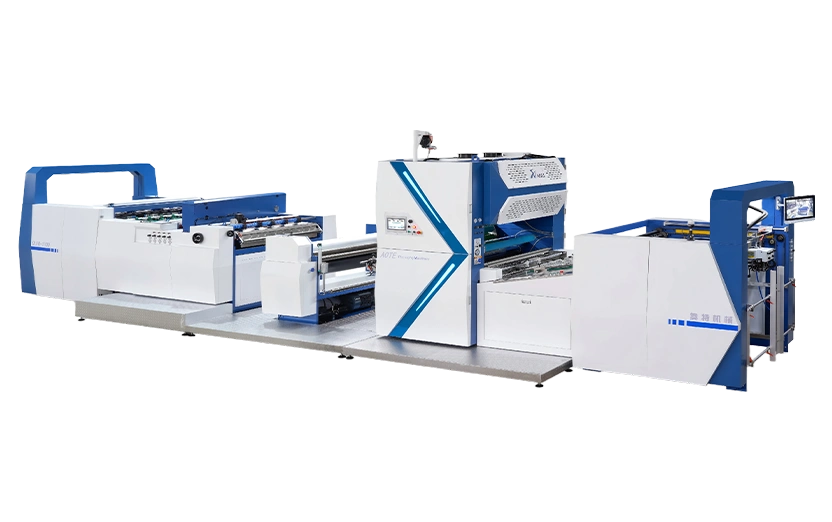
On a manual waterbased cold laminating machine, the operator feeds each sheet individually onto the infeed table. The machine applies adhesive to the film, presses it onto the sheet, and delivers the laminated product to a simple catch tray or short conveyor. The operator controls the pace—both the feed rate and the alignment of each sheet against the film edge. This setup gives direct control over quality at every cycle but ties throughput directly to operator speed and consistency. Manual models of a Waterbased Cold Laminating Machine are available in working widths of 750 mm, 1000 mm, and 1200 mm, with a rated speed of 50 m/min and motor power of approximately 1.5 kW. These specifications support short to medium runs where flexibility matters more than maximum output.
An automatic configuration replaces manual feeding with a feeder system that pulls sheets from a stack and positions them automatically onto the laminating line. The machine controls the feed timing, adhesive application, film tension, and delivery through a programmable PLC system. This automation removes operator-induced speed variation and alignment drift, delivering consistent output across full shifts. The automatic model offers a speed range of 10 to 100 m/min, depending on sheet size and paper weight, with a total power rating of approximately 8 kW.
| Specification |
Manual Configuration (SFM Series) |
Automatic Configuration (SZFM Series) |
| Speed |
50 m/min |
10–100 m/min |
| Max Paper Size |
1150 mm (width) |
1150 × 1000 mm |
| Min Paper Size |
Not specified (sheet-fed) |
350 × 285 mm |
| Motor/Total Power |
~1.5 kW |
~8 kW |
| Glue Type |
Waterbased |
Waterbased |
| Window Lamination |
Optional (separate model CSFM) |
Optional |
| Paper Thickness Range |
Not specified |
100–500 gsm |
When a Manual Machine Makes More Sense
Manual cold laminators remain the right choice for specific production environments, not simply as a budget fallback. Print finishing shops that handle frequent job changes—switching between business cards, book covers, shopping bags, and food labels within the same shift—benefit from the quick setup and direct operator control of a manual configuration. There is no recipe to load, no feeder timing to recalibrate; the operator adjusts sheet placement manually and proceeds.
The lower initial capital outlay also makes manual machines attractive for startups, small print shops adding laminating as a new service, or facilities where access to equipment financing is limited. A separate manual model—the CSFM series—is available specifically for waterbased window lamination, though it can also be used for normal lamination. It features two sets of glue coating systems and a motor power rating of approximately 3.15 kW.
Manual configurations also accommodate non-standard sheet sizes that would require custom feeder adjustments on an automatic line. An operator can place an unusually small or narrow sheet on the infeed table without any machine modification, as long as it falls within the machine's working width.
When Automation Delivers the Better Return
Automatic waterbased cold laminating machines earn their cost premium through consistency and throughput. The automatic model's PLC control system manages the feeding, glueing, and delivery sequence without operator fatigue affecting quality across the shift. The programmable system allows centralised electrical control, which simplifies operation and reduces the potential for manual adjustment errors.
The anti-crease mechanism integrated into the automatic model addresses a specific pain point: thin paper handling. Papers at the lower end of the 100 to 500 gsm range—common for food labels, lightweight posters, and some book covers—tend to curl or wrinkle after the moisture exposure of waterbased adhesive application. The automatic machine includes a flattening mechanism and corrugated delivery structure that stabilises these lightweight sheets through the laminating and drying stages, keeping paper as light as 100 gsm flat and preventing creasing.
Changeover efficiency on automatic lines also improves with repeat orders. While the initial setup for a new job requires programming parameters into the PLC, subsequent runs of the same job recall those settings instantly. For shops that maintain repeat orders—standard book cover sizes, regular shopping bag runs, consistent food label dimensions—this stored recipe function eliminates setup time on the second and subsequent runs.
Window Lamination: A Separate Consideration
Both manual and automatic configurations offer an optional window lamination function, where adhesive is applied to the entire sheet surface—excluding the window area—and then the film is laminated across the full sheet to create a transparent panel effect, commonly used for packaging with see-through film windows. On the manual side, this function is available through a dedicated CSFM model with dual glue coating systems. On the automatic side, the window lamination function is listed as an optional feature. If your product mix includes window-laminated packaging, confirming this capability at the time of purchase avoids the need for a separate machine later.
For those comparing window lamination capabilities across different models, reviewing waterbased laminating equipment with optional window lamination can clarify which configurations support this feature and what additional setup is required.
Making the Final Decision
The choice between manual and automatic comes down to daily sheet volume, the paper thickness in your product mix, and your shop's labour structure. The manual configuration—available in 750 mm, 1000 mm, and 1200 mm working widths—offers a rated speed of 50 m/min with straightforward operation and lower upfront cost. The automatic configuration provides a speed range of 10 to 100 m/min, accommodates paper from 100 to 500 gsm with anti-crease protection for thin stock, and handles maximum sheet sizes up to 1150 × 1000 mm.
The decision is not permanent—many shops start with a manual machine and add an automatic line as volume grows, keeping the manual unit for short runs and speciality jobs. For those evaluating the next step in their laminating capability, Aoli's range of waterbased cold laminating solutions spans both manual and automatic configurations, with detailed specifications available for direct comparison.

 Jul 13,2026