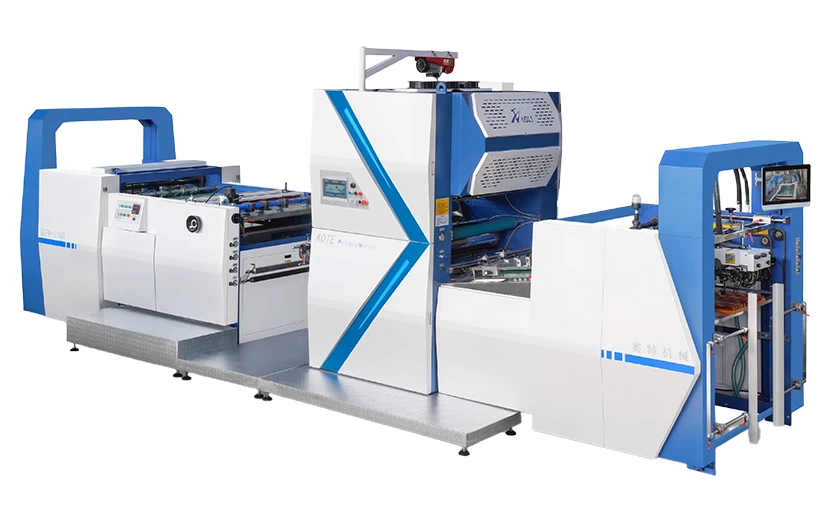
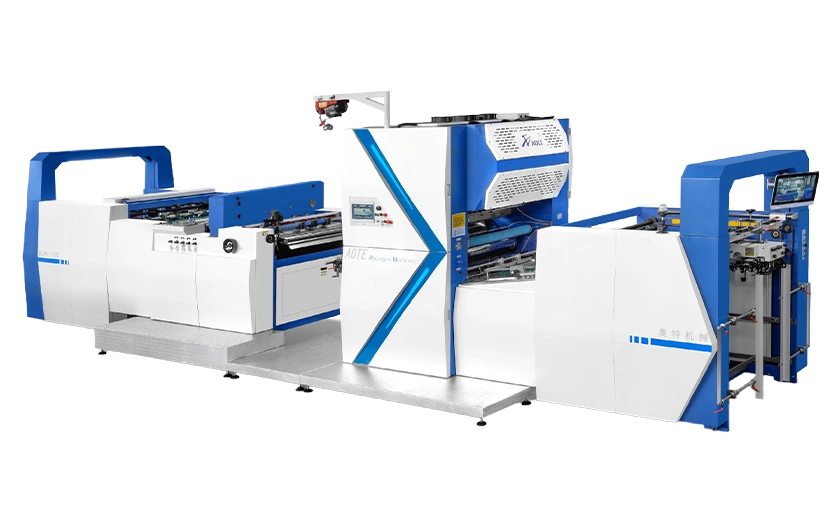
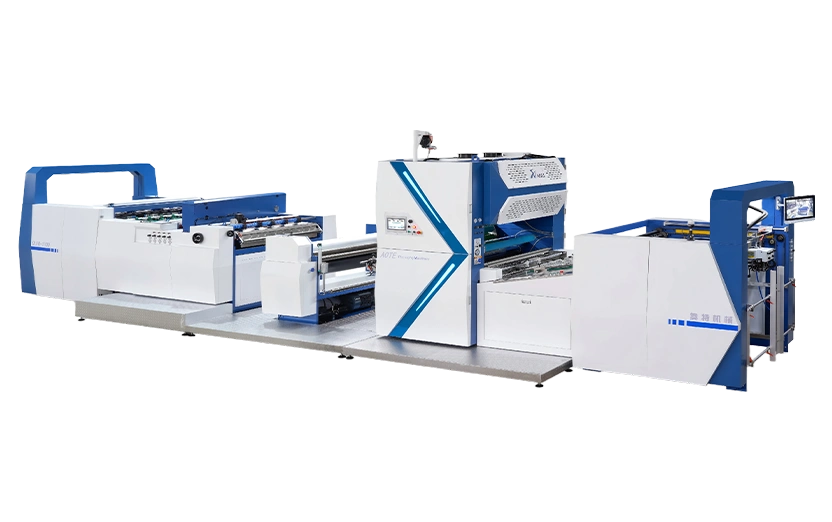
A laminating line that produces sheets with inconsistent gloss, visible film wrinkles, or adhesive residue on the roller surface is rarely suffering from a design flaw. In most cases, the root cause is a maintenance gap—a coating roller cleaned a day late, an electromagnetic heating sensor left uncalibrated, or a chain knife cutter that has drifted past its tolerance. These small deviations accumulate over days and weeks. By the time the operator rejects a batch of laminated sheets, the machine has already been producing sub‑standard output for an unknown period.
The maintenance tasks below are structured around the key subsystems of a three‑in‑one laminating machine: the glue application and drying system, the electromagnetic heating system, the film transport and cutting section, and the intelligent control unit. They apply to automatic models with PLC programmable control, such as the Vertical Laminating Machine series from Aoli, which combine water‑based, oil‑based, and thermal film capability in a single unit.
Daily Tasks (Every Shift)
1. Clean the glue application roller before the adhesive dries. At the end of every shift—or before any break longer than 30 minutes—the coating roller must be cleaned. Water‑based adhesive dries quickly on the roller surface, forming a rough skin that disrupts the uniformity of the glue film on the next run. The roller should be wiped with a damp cloth and warm water while rotating at low speed. Solvents should only be used if they are specified for the adhesive type and compatible with the roller material. Abrasive pads or scrapers will permanently score the roller surface, creating low spots that produce uneven coating.
2. Check the glue circulation system and filter. The glue reservoir level should be topped up to the operating mark at the start of each shift. The circulation pump should be verified to be running, with glue returning through the return line—an indication that the system is not blocked. The in‑line filter, which catches dried glue particles and paper dust, should be visually inspected. A filter that appears dark or has visible sediment should be replaced. A blocked filter causes pressure fluctuations that result in inconsistent glue application across the sheet width.
3. Inspect the electromagnetic heating system temperature readout. The electromagnetic heating system on modern laminating equipment achieves a temperature control accuracy of ±1°C and reaches operating temperature within approximately three minutes. At the start of each shift, the operator should verify that the displayed temperature matches the setpoint for the film type being run—typically 85°C to 110°C for BOPP film, and slightly higher for PET film. A deviation of more than 3°C from the setpoint indicates a sensor or heating control issue that should be investigated before production begins.
4. Clean the film path and check for adhesive residue. Paper dust and traces of adhesive transferred from the roller surface can accumulate on the film guide rollers, the tension bars, and the edge guides. This build‑up can cause the film to track off‑centre or wrinkle as it enters the laminating nip. The film path should be wiped with a clean, dry cloth at the start of each shift. Any adhesive residue on the machine frame or the floor around the coating station indicates that glue is being carried beyond the intended transfer points and may require adjustment of the coating parameters or roller alignment.
5. Verify the PLC self‑diagnostic status. Modern laminating machines with PLC intelligent control continuously monitor the machine's subsystems. At the start of each shift, the operator should check the diagnostic display for any fault codes or warning messages. The self‑diagnostic system can detect issues such as a failed heating element, a motor overload, or a sensor out of range, often before the problem manifests in the lamination quality. Any active fault should be resolved before the production run begins.
Weekly Tasks
6. Deep‑clean the coating. Over a week of production, a thin film of dried adhesive builds up on the roller surface even with daily cleaning. This film can reduce the roller's ability to pick up and transfer glue evenly. A weekly deep clean involves running the roller at low speed while applying the manufacturer‑recommended roller cleaner with a soft brush, followed by a thorough rinse with warm water. The metering gap between the coating roller and the doctor blade should be checked with a feeler gauge at both ends to ensure it is within specification.
7. Inspect the drying cylinder and hot air circulation system. The large drying cylinder and the hot air circulation system work together to remove moisture from the adhesive before the film meets the paper at the laminating nip. Dust and paper fibres can accumulate on the drying cylinder surface and in the air circulation filters. The cylinder surface should be wiped clean, and the hot air filters should be inspected and replaced if they show signs of clogging. The hot air circulation system on equipment such as the Aoli laminating machine range can increase thermal efficiency by approximately 40% when the filters and ducting are kept clean.
8. Check the film tension control and brake system. The film unwind system relies on a mechanical or magnetic brake to maintain consistent tension. If the tension is too low, the film will sag and wrinkle; if too high, the film may stretch and produce a curl in the finished sheet. The brake pads should be inspected for wear weekly, and the tension should be verified by running a test sheet and measuring the curl.
9. Inspect the cutting system. Depending on the model, the cutting system may use a disc cutter, a chain knife, a hot knife, or a combination of these. The cutting edges should be inspected weekly for signs of dulling or damage. A dull cutter produces a ragged film edge that can catch in the delivery stacker and cause jams. The knife sharpening or replacement interval depends on the film type and production volume, but the edge condition should be checked weekly regardless.
Monthly Tasks
10. Calibrate the temperature sensors. The ±1°C accuracy of the electromagnetic heating system depends on correctly calibrated sensors. Once per month, the temperature reading on the control panel should be verified against a calibrated contact thermometer placed on the laminating roller surface. Any deviation of more than 2°C should be corrected by recalibrating the sensor through the PLC interface.
11. Inspect and clean the electrical cabinet. The electrical cabinet houses the PLC, the motor drives, and the temperature controllers. Paper dust and adhesive mist can enter the cabinet through ventilation grilles and settle on the electronic components. The cabinet should be opened monthly, cleaned with low‑pressure compressed air, and the ventilation filters replaced. All cable connections should be checked for tightness, particularly on the heating circuit terminals where thermal cycling can loosen connections over time.
12. Lubricate all mechanical points. The chain drives, the bearing housings, the roller journals, and the stacker mechanism all require periodic lubrication. The machine manual specifies the lubrication points, the grease type, and the interval. Over‑lubrication can push bearing seals out of position and attract dust, so a single shot from a calibrated grease gun per point is normally sufficient. The automatic oiling system, if fitted, should have its reservoir level checked and the distribution lines verified to be delivering oil to each point.
13. Run a full test job and compare to the reference sample. Once per month, after all maintenance tasks are complete, run a full test job with a standard BOPP film and 157 gsm coated paper. Compare the laminated sheet to the reference sample kept from the previous month. Check for gloss consistency, edge adhesion, film clarity, and sheet flatness. Any deviation from the reference should be investigated before the next production run begins.
Common Maintenance Mistakes
-
Using the wrong cleaning solvent. Solvents that attack the rubber coating roller can cause swelling and softening, permanently damaging the roller surface. Only manufacturer‑recommended cleaning solutions should be used.
-
Skipping the glue filter replacement. An adhesive filter costs very little compared with the cost of cleaning a blocked circulation system or the lost production from inconsistent glue application.
-
Running the heating system at a higher temperature to compensate for a dirty roller. This does not solve the problem and can degrade the film or the adhesive. A clean roller with the correct temperature always produces better results.
Building a Maintenance Programme
The tasks above should be compiled into a checklist that is kept with the machine. Each task should have a named operator or technician responsible, and the completed checklist should be reviewed weekly by the production supervisor. A maintenance log that records every intervention—roller cleaning, filter changes, knife replacements, calibration adjustments—builds a history that allows the team to predict when components will need attention rather than reacting to failures. For operations looking to establish a consistent maintenance baseline, laminating machines with built‑in self‑diagnostics simplify the daily verification tasks and provide early warning of developing issues.
A well‑maintained laminating line produces consistent gloss, clean film edges, and flat sheets shift after shift. The daily, weekly, and monthly tasks above address the components that most commonly cause lamination defects and unplanned downtime. When the maintenance programme is followed, the machine runs at its rated speed, delivers repeatable quality, and protects the return on a significant capital investment.

 Jul 06,2026