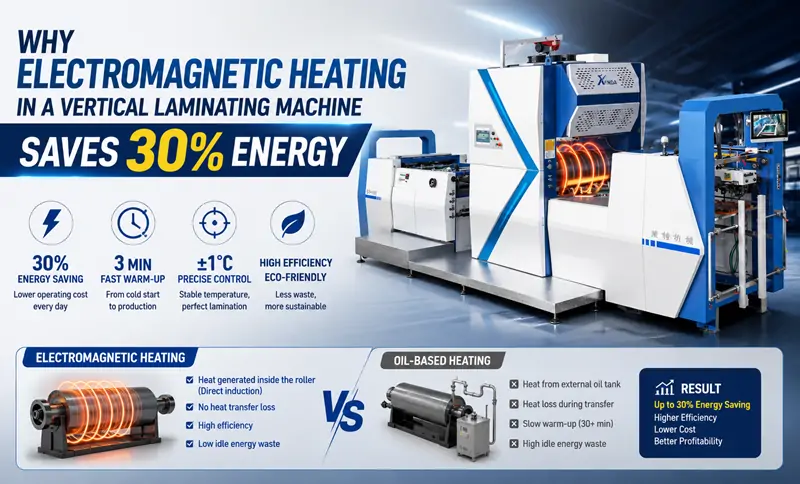
The short answer is that electromagnetic heating generates heat directly inside the roller body through induction, rather than relying on an intermediate medium like thermal oil. This eliminates heat loss during transfer, reduces warm-up time from over 30 minutes to about 3 minutes, and provides more precise temperature control—typically within ±1°C. Together, these factors cut energy consumption by roughly 30% compared to conventional oil-based heating systems in sheet-fed laminating equipment.
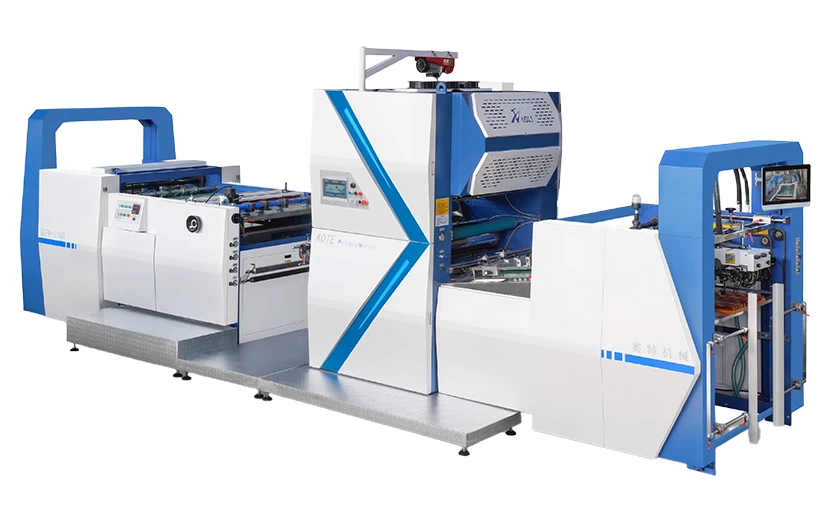
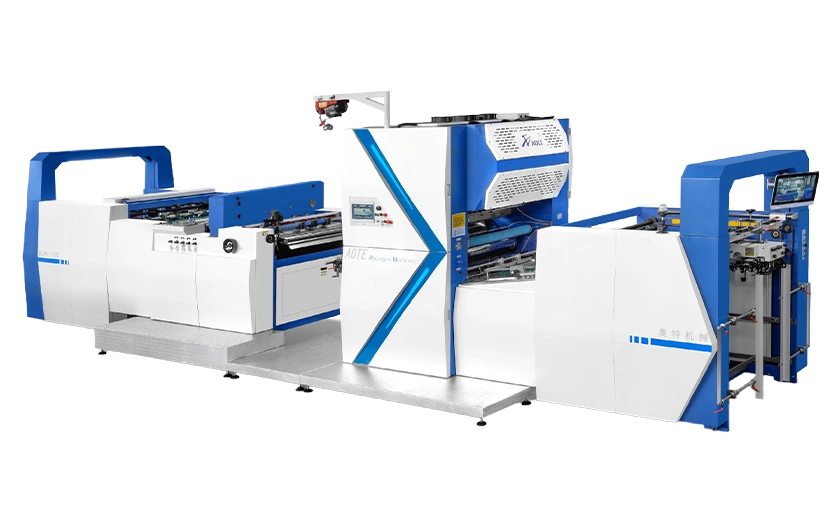
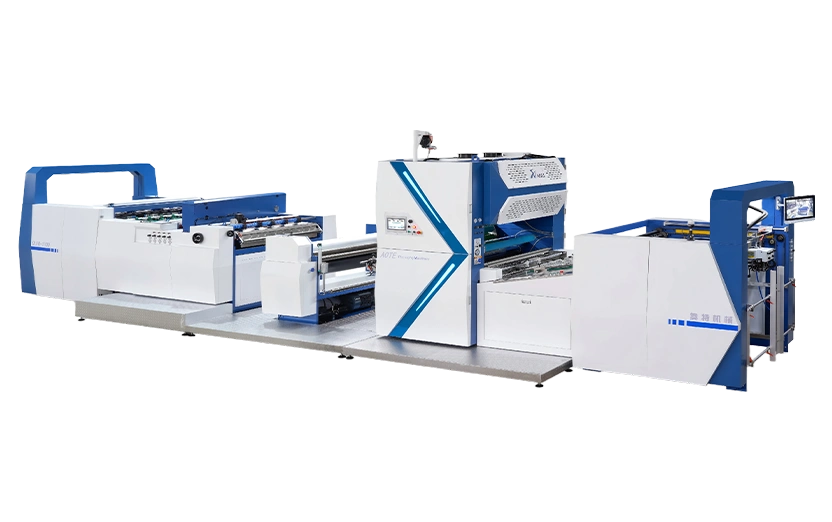
In the context of sheet-fed lamination, the vertical laminating machine is a common platform that benefits significantly from this technology. But understanding why this matters for your production floor requires a closer look at how each heating method actually works, where energy gets wasted, and what the operational differences mean for your daily costs and output quality.
How Traditional Oil-Based Heating Works
Conventional laminating equipment typically uses thermal oil heating. An external oil tank heats the oil, which is then pumped through the rollers to bring them to the required lamination temperature. This approach has been the industry standard for decades, but it comes with inherent inefficiencies:
- Heat loss during transfer: Oil loses temperature as it travels from the tank to the rollers, especially in longer pipe runs.
- Slow response time: Changing the temperature setting takes time because the entire oil volume must be heated or cooled.
- Continuous energy consumption: The oil tank must maintain a baseline temperature even during idle periods to avoid long warm-up delays.
These factors mean that a significant portion of the energy consumed never actually reaches the film or paper being laminated—it is lost to the surrounding environment through piping, pumps, and the oil tank itself.
How Electromagnetic Heating Changes the Equation
Electromagnetic heating, also known as induction heating, takes a fundamentally different approach. Instead of heating an intermediate fluid, an electromagnetic coil generates a high-frequency alternating magnetic field that induces heat directly within the roller's metal body. The roller itself becomes the heat source.
This direct heating method delivers several measurable advantages. For a detailed look at how this technology is applied across different machine configurations, you can review the automatic vertical laminating machine with disc cutter as a reference model.
| Factor |
Oil-Based Heating |
Electromagnetic Heating |
| Heat generation location |
External oil tank |
Inside the roller |
| Heat transfer medium |
Thermal oil (with loss) |
None (direct induction) |
| Warm-up time |
30+ minutes |
~3 minutes |
| Temperature control accuracy |
±3–5°C |
±1°C |
| Energy consumption baseline |
High (oil tank always on) |
Low (heat only when needed) |
| Idle energy waste |
Significant |
Minimal |
The 30% energy saving is not a single-factor improvement—it is the cumulative result of faster warm-up, elimination of transfer loss, better temperature precision, and reduced idle consumption.
Why Temperature Precision Matters for Energy Use
Temperature accuracy might not seem like an energy issue at first glance, but it has a direct impact on consumption. In oil-based systems, temperature fluctuations of ±3–5°C are common. To compensate, operators often set the oil temperature higher than actually needed, ensuring that even at the low end of the fluctuation range, the roller remains hot enough for lamination. This "buffer" consumes extra energy continuously.
With ±1°C accuracy, electromagnetic heating eliminates the need for such buffers. The roller stays at the exact temperature required—no more, no less. Over an eight-hour shift, this difference adds up to substantial energy savings without any compromise in lamination quality.
The Warm-Up Time Factor
One of the most overlooked energy costs in laminating operations is warm-up time. A typical oil-based machine requires 30 minutes or more to reach operating temperature from a cold start. During this period, the machine consumes energy but produces no output.
Electromagnetic heating reduces warm-up to approximately 3 minutes. For a shop that starts up once per day, this saves nearly 30 minutes of idle energy consumption per shift. For operations that start and stop multiple times per day—common in job shops handling varied order volumes—the cumulative savings are even more significant.
What This Means for Your Operating Cost
Energy cost is a line item that many laminating buyers underestimate during the equipment selection process. While the initial purchase price of an electromagnetic-heated machine may be comparable to or slightly higher than an oil-based unit, the daily operating cost tells a different story.
Consider a typical production scenario:
- 8-hour shift, 5 days per week
- One cold start per day
- Steady-state operation for the remainder of the shift
The 30% energy saving translates directly into lower electricity bills. Over a year of operation, the difference can cover a meaningful portion of the machine's initial cost. More importantly, these savings recur every year for the designed lifespan of the equipment—which, for quality-built units, exceeds 10 years. For more information on installation, training, and ongoing support, visit the services page.
A Practical Checklist for Evaluating Heating Systems
When comparing laminating equipment options, consider asking these questions:
- What is the stated warm-up time from cold start?
- What is the temperature control accuracy?
- Does the machine consume energy during idle periods?
- What is the estimated annual energy consumption for your production volume?
- Is the heating system integrated, or does it require external components (oil tank, pumps, piping)?
- What maintenance does the heating system require?
- How quickly can the machine respond to temperature changes between different film types?
Common Misconceptions About Electromagnetic Heating
"It's just a marketing claim."
Electromagnetic induction heating is a well-established industrial technology, not a gimmick. The energy efficiency gains are measurable and documented in industrial engineering literature.
"It can't handle heavy-duty production."
Electromagnetic heating is used in various heavy industrial applications, including metal processing and plastic extrusion. For laminating applications, it is fully capable of sustaining high-volume sheet-fed production at speeds up to 100 m/min.
"The temperature might be unstable."
The ±1°C accuracy is actually tighter than most oil-based systems can maintain. The key is that the heat is generated exactly where it is needed, with minimal thermal lag.
Frequently Asked Questions
Q1: Does electromagnetic heating work with all film types?
Yes, electromagnetic heating provides consistent temperature control across BOPP, PET, PVC, metalized, and specialty films. The heating method itself is film-agnostic—what matters is the temperature setting, which can be adjusted precisely for each material.
Q2: How does the 30% energy saving compare to other efficiency improvements?
The 30% figure refers specifically to the heating system's energy consumption. When combined with other features like hot air circulation (which can further increase thermal efficiency by 40%), the total energy benefit is even greater.
Q3: Is electromagnetic heating more expensive to maintain?
Generally, no. Electromagnetic systems have fewer moving parts and no external oil pumps or tanks. There is no thermal oil to replace or dispose of, which also eliminates associated environmental and handling costs.
Q4: Can existing oil-based machines be retrofitted with electromagnetic heating?
Retrofitting is typically not practical due to fundamental differences in roller design and control systems. Buyers considering an upgrade should evaluate new equipment designed specifically for electromagnetic heating.
Q5: Does faster warm-up mean the machine is ready for production immediately?
Yes. Once the roller reaches the set temperature—typically within 3 minutes—the machine is ready to run. However, operators should still follow standard quality checks before starting a production run.
Conclusion
The 30% energy saving from electromagnetic heating in sheet-fed laminating equipment is not a theoretical claim—it is the result of a fundamentally more efficient heating method. By eliminating heat transfer loss, reducing warm-up time from over 30 minutes to about 3 minutes, and maintaining ±1°C temperature accuracy, electromagnetic heating delivers real, recurring energy savings without compromising production speed or lamination quality.
When evaluating laminating equipment, do not stop at the purchase price. Ask about the heating system, warm-up time, temperature accuracy, and estimated energy consumption. These factors determine your actual cost of ownership.
To review the available configurations and technical specifications of sheet-fed laminating equipment with electromagnetic heating, visit the product page. For specific material and production requirements, contact the manufacturer directly to confirm the optimal configuration for your application.

 Jul 31,2026